Should I put my nest egg in a 30-year Treasury bond?
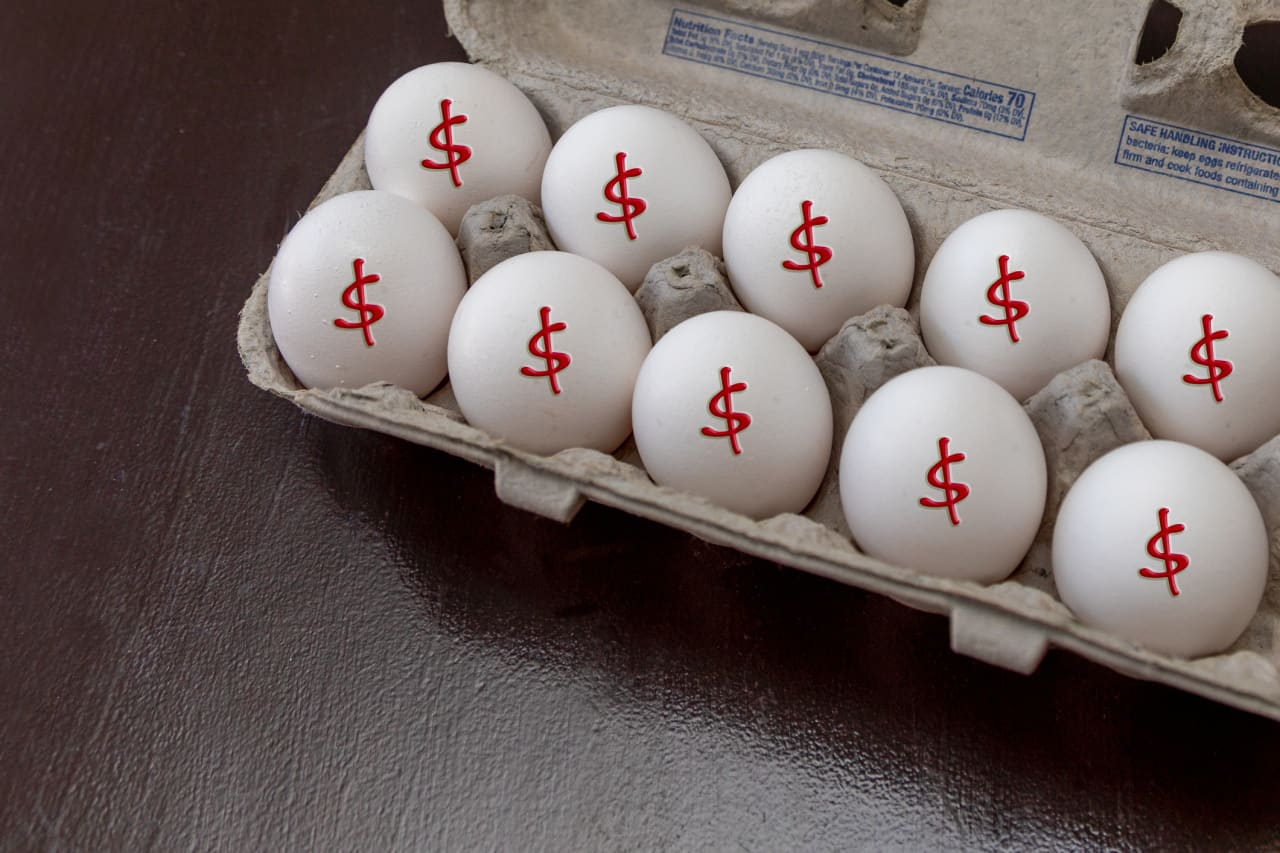
Risk comes in many forms, even with “safe” investments.
The question of whether to invest in a 30-year Treasury bond is a complex one, especially for those looking to safeguard their nest egg. While Treasury bonds are often considered a safe haven due to their low default risk, they are not immune to other forms of risk, such as interest rate risk and inflation risk. This means that even if an investor's principal is protected, the purchasing power of their investment could still be eroded over time.
As the investment landscape continues to evolve, it's essential for trade professionals and individual investors alike to consider the broader implications of investing in long-term Treasury bonds. With interest rates at historic lows, the potential for future rate increases poses a significant threat to the value of existing bonds. Furthermore, the ongoing debate about inflation and its potential impact on fixed-income investments adds another layer of complexity to the decision-making process.
For trade professionals, the key takeaway is that even seemingly safe investments like 30-year Treasury bonds require careful consideration and a nuanced understanding of the underlying risks. As investors weigh their options, it will be crucial to monitor interest rate trends, inflation expectations, and the overall economic outlook to determine the best course of action. Looking ahead, investors should keep a close eye on the Federal Reserve's monetary policy decisions and their potential impact on the bond market, as these developments will likely play a significant role in shaping the investment landscape in the months to come.
Originally reported by marketwatch.com. Trade-News adds analysis for finance & markets readers.