Measles cases in the U.S. are at a 35-year high. Here’s the staggering cost of falling vaccination rates for Americans.
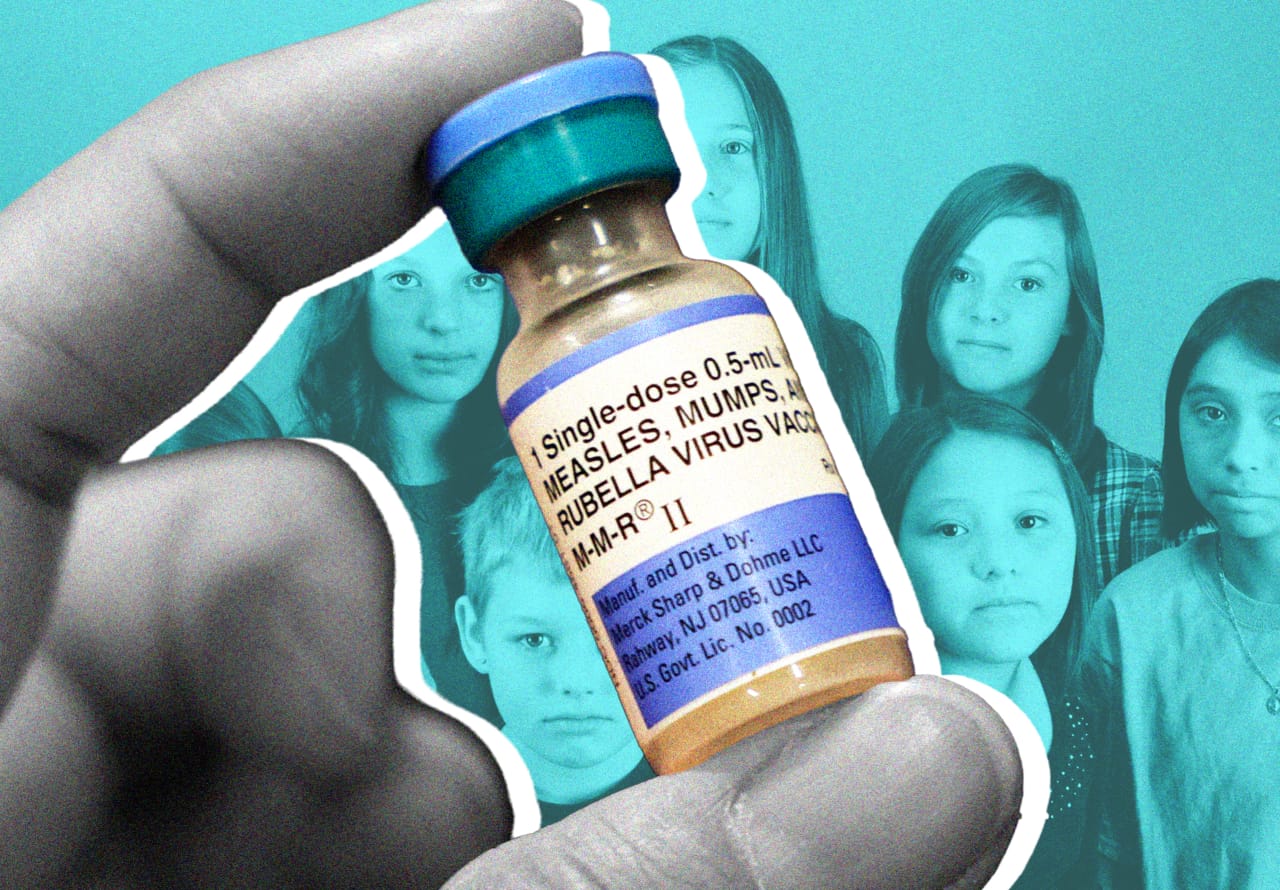
The U.S. officially lost its measles elimination status on Tuesday as it grapples with multiple outbreaks of the virus.
The resurgence of measles in the U.S. has significant implications for the economy, particularly in terms of healthcare costs. According to the Centers for Disease Control and Prevention (CDC), the cost of a measles outbreak can range from $10 million to $100 million or more, depending on the size and location of the outbreak. As vaccination rates decline, the risk of outbreaks increases, which can lead to substantial economic burdens on local communities, healthcare systems, and the broader economy.
The loss of measles elimination status also has trade implications, particularly for industries that rely on international travel and commerce. A decline in vaccination rates can lead to increased restrictions on travel and trade, as countries may impose stricter health requirements for visitors from countries with low vaccination rates. This can impact industries such as tourism, aviation, and logistics, which could see a decline in business and revenue.
In the coming weeks, traders and investors will be watching for updates on the measles outbreaks and the response from policymakers. Key indicators to watch include the number of reported cases, vaccination rates, and any announcements from the CDC or the World Health Organization (WHO) regarding travel restrictions or public health measures. Additionally, companies in the healthcare and pharmaceutical sectors may see increased attention from investors as they develop and distribute vaccines and treatments for measles and other preventable diseases.
Originally reported by marketwatch.com. Trade-News adds analysis for finance & markets readers.