GLP-1 drugs could ease back and knee pain, but doctors say there are risks for older adults
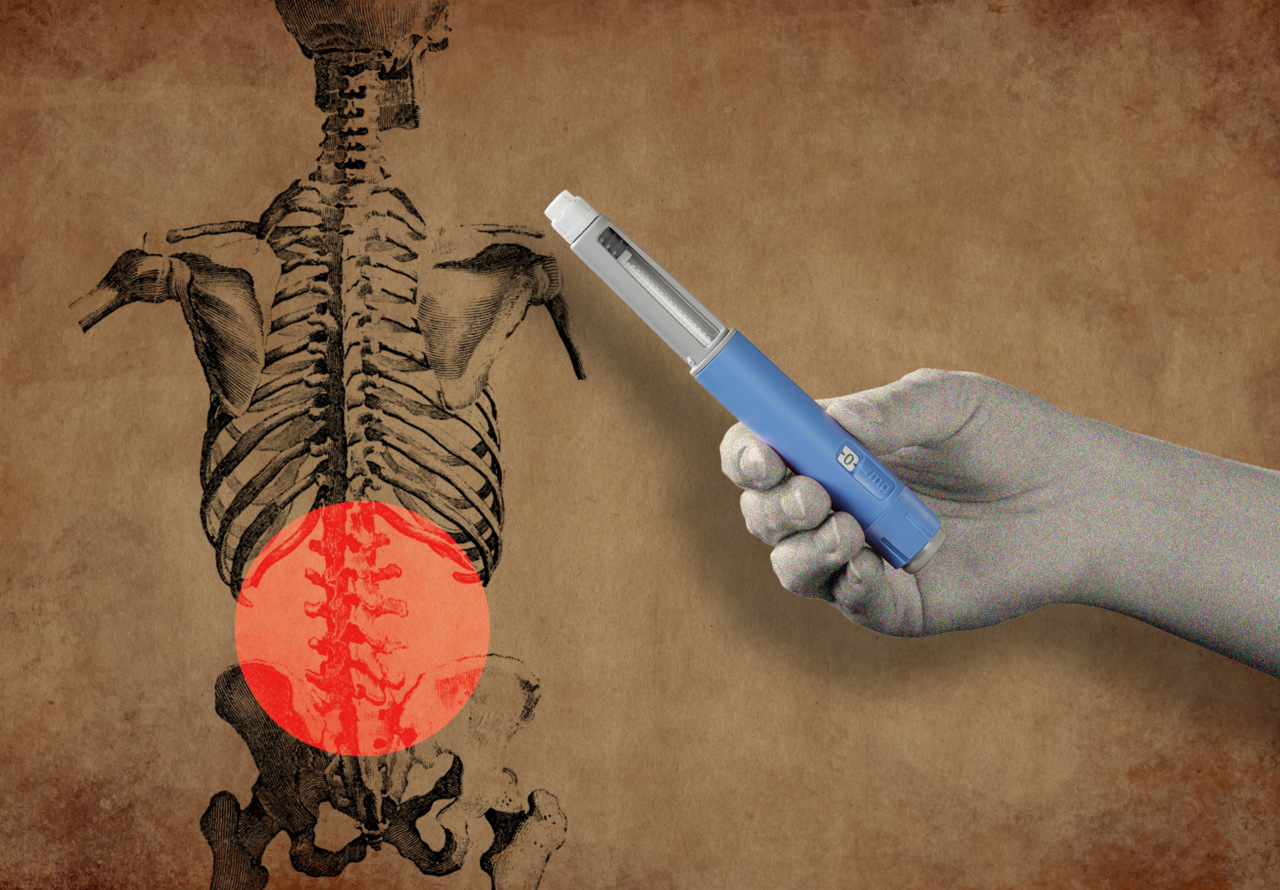
Rapid weight loss can lead to issues with bone quality.
The potential for GLP-1 drugs to alleviate back and knee pain is a significant development, particularly in the context of the growing demand for effective treatments for chronic pain. However, the caveat that rapid weight loss associated with these medications can compromise bone quality, especially in older adults, underscores the need for cautious prescribing practices and thorough patient evaluation. This is crucial in the trade industry, where pharmaceutical companies and healthcare providers must carefully weigh the benefits and risks of these medications.
The implications of this finding are far-reaching, as GLP-1 drugs have gained popularity for their efficacy in managing type 2 diabetes and obesity. The trade industry must now consider the potential consequences of widespread adoption of these medications, including the potential for increased incidence of osteoporosis and fractures in vulnerable populations. As such, manufacturers and healthcare providers must prioritize education and awareness campaigns to ensure that patients and prescribers are aware of these risks and take steps to mitigate them.
As the trade industry moves forward with the development and marketing of GLP-1 drugs, it will be essential to monitor the emergence of long-term data on their effects on bone health. Additionally, the development of guidelines and protocols for safe prescribing practices, particularly in older adults, will be critical to minimizing the risks associated with these medications. Companies and healthcare providers must also invest in research and development of strategies to mitigate the negative effects of rapid weight loss on bone quality, such as supplemental therapies or modified treatment regimens.
Originally reported by marketwatch.com. Trade-News adds analysis for finance & markets readers.