Fed interest-rate decision this month is a closer call than markets think
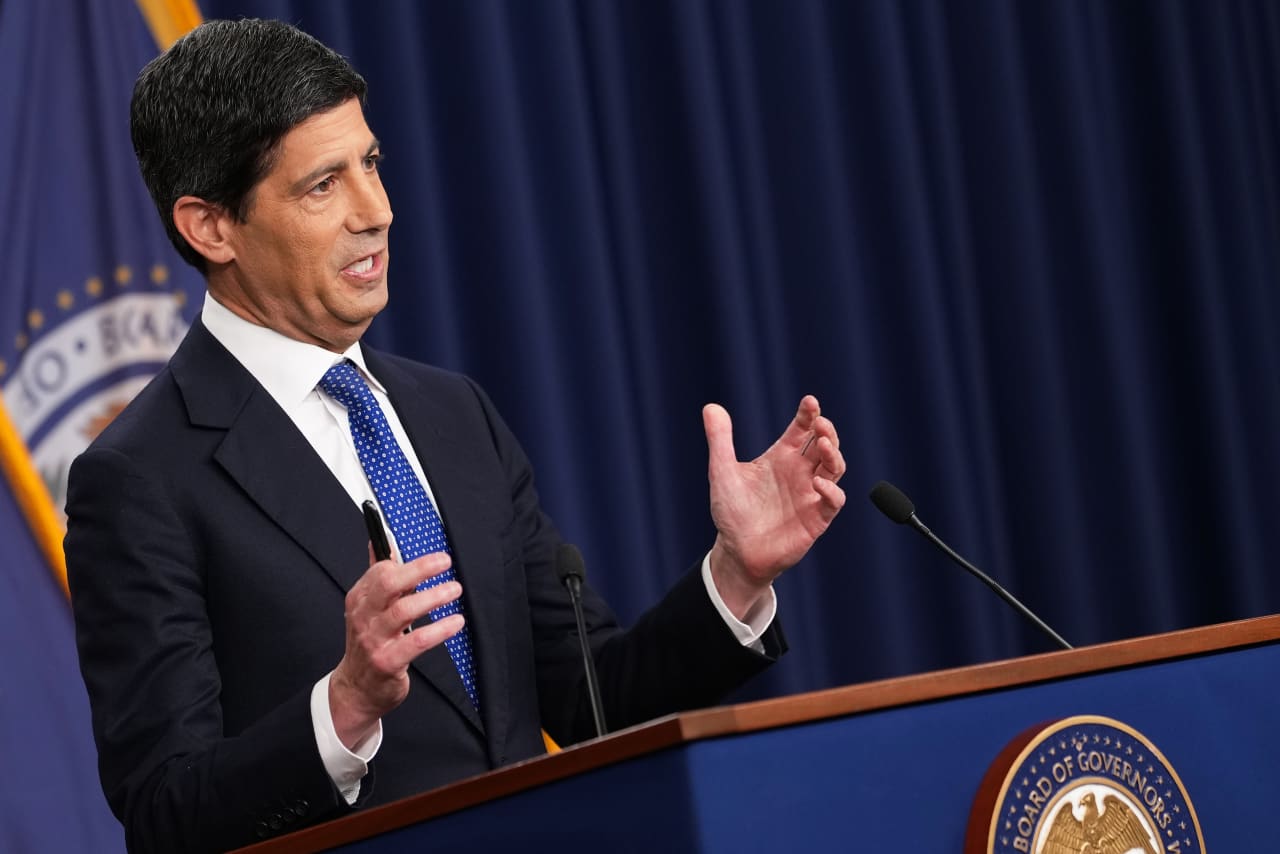
Here are some of the arguments against a Fed rate hike — and why some economists disagree with them.
The upcoming Federal Reserve interest-rate decision has been widely anticipated, with many market participants expecting a rate hike. However, some economists argue that the decision is not a foregone conclusion, and that the Fed may choose to hold off on raising rates. One argument against a rate hike is that inflation remains below the Fed's target, and that raising rates could potentially choke off economic growth.
The counterargument to this is that the labor market is strong, with low unemployment and rising wages, which could lead to higher inflation in the future. Some economists also point out that the Fed has a dual mandate to maximize employment and stabilize prices, and that raising rates would help to achieve the latter goal. Additionally, the Fed may be concerned about the potential for asset bubbles if interest rates remain too low for too long. The disagreement among economists highlights the complexity of the decision and the need for the Fed to carefully weigh the competing factors.
As the Fed's decision approaches, market participants will be watching closely for any signs of which way the central bank is leaning. The decision will have significant implications for trade, as higher interest rates could strengthen the US dollar and make exports more expensive. Traders and investors will be paying close attention to the language used by the Fed in its statement, as well as any comments made by Fed officials in the days and weeks that follow. The decision will also have implications for other central banks, which may be influenced by the Fed's actions and adjust their own monetary policies accordingly.
Originally reported by marketwatch.com. Trade-News adds analysis for finance & markets readers.